TL;DR Summary: Coffee table styling doesn’t require a designer’s budget or innate talent. The secret lies in a proven 3-element formula combined with one foundational principle: start with a tray. Master height variation using the Rule of Three, embrace visual triangulation, and leave breathing room for actual living. This guide reveals how to style any coffee table shape while incorporating 2026 trends like curved silhouettes, natural materials, and intentional minimalism—plus seasonal styling swaps that keep your space fresh year-round.
The Uncomfortable Truth About Your Coffee Table Styling
You’ve invested in the perfect sofa, and agonized over throw pillows. You’ve even splurged on that area rug everyone told you would “tie the room together.” Yet your coffee table—the literal centerpiece of your living room—looks like a repository for remote controls and last week’s mail.
Here’s what nobody tells you: coffee table styling tips aren’t just about aesthetics. Your coffee table arrangement determines whether guests feel invited to linger or awkwardly perch on the edge of your sofa. It signals whether you’re someone who has their life together or someone who’s perpetually “getting around to decorating.” Most critically, a well-styled coffee table centerpiece transforms how you feel in your own space every single day.
The problem isn’t that you lack taste. The problem is that you’re drowning in conflicting coffee table styling tips and décor ideas, paralyzed by Pinterest perfection, and convinced you need a designer’s eye to get this right.
You don’t.
What you need is a proven system—one that works for any budget, any table shape, and any lifestyle. That’s exactly what we’re about to give you.
I. The Unsung Hero: Why a Tray is Your Styling Foundation

Before you place a single book or candle, understand that a decorative tray is the single most transformative tool in coffee table styling—it creates portable vignettes, defines boundaries, and instantly elevates any arrangement from scattered to intentional.
Here’s the coffee table styling secret that professionals use but rarely explain: start with a tray. Not a vase. Not books. A tray.
Why does this matter so profoundly? Because a tray creates what designers call a “portable vignette”—a complete, cohesive arrangement that can be lifted and moved as a single unit. When you need your coffee table for actual use (pizza night, board games, laptop work), you simply relocate the entire tray. Everything stays beautifully arranged, and restyling takes literally five seconds.
A. The Tray as Visual Anchor
A tray grounds your coffee table styling and prevents décor from feeling scattered or disconnected.
- Defines boundaries and prevents “floating” décor
- Creates negative space for a cleaner layout
- Adds texture and material contrast
- Corrals small items like remotes and coasters
- “The tray is your foundation,” notes designer Emily Henderson
B. Choosing the Right Tray
Select a tray that complements your table shape and enhances your room’s overall style.
- Wood trays: warm, casual, versatile
- Marble/stone trays: elegant and substantial
- Brass/metal trays: glamorous and light‑reflective
- Lacquered trays: sleek, modern, polished
C. Tray Sizing Rules
Proper sizing ensures your tray enhances the table rather than overwhelming it.
- Tray should cover 40–50% of the table surface
- Rectangular tables: use rectangular or oval trays
- Round tables: use square or rectangular trays for contrast
- Square tables: use a rectangular tray placed diagonally
The tray becomes the stage on which your three-element formula performs. Everything else you style builds from this foundation.
“The tray is your coffee table’s foundation,” explains Emily Henderson, interior designer and author of Styled. “It’s like putting a rug under furniture—it grounds everything and makes the whole arrangement feel cohesive.”
💡 Pro Tip: Can’t find the perfect tray? Use a large, flat coffee table book (at least 12×12 inches) as a substitute tray. Stack smaller books and objects on top—it creates the same boundary-defining effect while adding height variation.
You’ll Also Like: How To Decorate With Coffee Tables Books
II. The Foundation: Understanding the 3-Element Formula

The most successful coffee table arrangements follow a deceptively simple three-part structure that creates visual interest through height variation, functional purpose, and cohesive style.
Every designer knows this secret, yet they rarely explain it this clearly. Your coffee table décor needs exactly three categories of items:
Element #1: The Vertical Anchor (12–18″)
Your tallest piece — the sculptural moment that adds height, drama, and upward movement.
- Use a tall vase with branches or stems
- Try a stacked candle arrangement
- Oversized sculptural objects also work beautifully
- Purpose: draw the eye upward and create visual impact
Element #2: The Middle Layer (4–8″)
The grounding layer — wide, horizontal, and essential for structure and balance.
- Coffee table books are the classic choice
- Decorative trays or boxes also work well
- Acts as a platform for smaller objects
- Provides visual stability between tall and small items
Element #3: The Functional Detail (2–4″)
The practical, lived‑in touch that proves your coffee table is meant to be used.
- Coasters, a small candle, or a catchall bowl
- Should be easy to reach and actually functional
- Adds warmth and approachability to the arrangement
- Completes the high‑low balance of the vignette
The genius of this formula?
It creates natural visual triangulation. Your eye travels between three distinct heights, creating rhythm and visual interest without conscious thought. Professional designers spend years learning to “see” these relationships—now you can implement them immediately.
The Rule of Three for Grouping
Within your three-element formula, there’s another layer: the Rule of Three for grouping small objects. This principle states that odd-numbered groupings (particularly three) are more visually appealing than even numbers.
How to apply this:
- Instead of two candles, use three varying heights
- Stack three books instead of two or four
- Group three small decorative objects (stone, ring, small vase) together
The Rule of Three works because it creates natural asymmetry—your brain finds symmetry boring but perfect imbalance engaging. Three objects allow you to create a triangle formation (literally visual triangulation), which guides the eye in a pleasing pattern.
💡 Pro Tip: If you’re nervous about committing to this formula, start with items you already own. Raid your bookshelves for coffee table books, grab a vase from another room, and use a candle from your bathroom. Test the arrangement for a week before investing in new pieces.
You’ll Also Like: Coffee Table Centerpiece: Elevate Your Living Room Style
III. Mastering Height, Scale, and Visual Weight (The Technical Secrets)

Professional designers instinctively understand spatial relationships that homeowners struggle to articulate—these measurable principles eliminate guesswork and prevent common proportion mistakes.
Let’s get technical for a moment, because understanding these principles separates amateur styling from professional results.
A. The 2/3 Coverage Rule
Your styled elements should cover no more than two‑thirds of the coffee table to maintain balance and livability.
- Leave functional space for drinks, books, and daily use
- Negative space prevents visual clutter
- Over‑styling creates a cramped, anxious feel
- Let the eye rest for a calmer, more intentional look
B. The Height Hierarchy Principle
Keep your tallest element under 12 inches for real‑life usability and clear sight lines.
- Taller pieces work only in formal or decorative spaces
- Maintain open visibility for conversation
- Avoid branches or stems that block eye contact
- Prioritize comfort and interaction over drama
C. Coffee Table Height Matters: The Sofa Rule
The height relationship between your sofa and coffee table determines both comfort and visual proportion.
- Coffee table should sit 1–2 inches lower than sofa cushions
- Improves reachability and ergonomic comfort
- Creates a harmonious, balanced silhouette
- Prevents the table from feeling bulky or intrusive
Why this specific measurement?
- Allows you to set down drinks without awkward reaching
- Creates proper visual scale between seating and table
- Maintains comfortable leg clearance (you need 14-18 inches between sofa and table edge)
If your existing coffee table violates this rule, your styling will always feel “off” because the fundamental proportion is wrong. Before investing heavily in décor, ensure your table height is correct.
D. The 1:2:3 Ratio for Visual Triangulation

When grouping small objects within one element of your formula, use the 1:2:3 height ratio. For example:
- Short object (1 unit): 2-inch candlestick
- Medium object (2 units): 4-inch decorative box
- Tall object (3 units): 6-inch vase
This ratio creates pleasing visual progression that feels balanced without being matchy or boring.
E. Visual Weight Distribution
Here’s where most people stumble: visual weight isn’t about actual pounds. A stack of dark books carries more visual weight than a clear glass vase, even if the vase is heavier. Balance dark, dense objects with light, airy ones. Pair rough textures (like a wooden tray) with smooth ones (like glossy books). This creates equilibrium your brain registers as “right” without knowing why.
| Design Principle | The Rule | Why It Matters |
| Surface Coverage | Maximum 2/3 occupied | Maintains functionality and visual breathing room |
| Maximum Height | 12 inches for functional spaces | Preserves sight lines and conversation flow |
| Coffee Table Height | 1-2 inches below sofa cushion | Ensures comfort and proper visual proportion |
| Object Spacing | 2-3 inches between elements | Prevents cluttered appearance, allows each piece to shine |
| Color Palette | Limit to 3-4 coordinating colors | Creates cohesion without feeling monotone or chaotic |
| Texture Variety | Minimum of 3 different materials | Adds tactile interest and depth to arrangement |
| Height Ratio | 1:2:3 for grouped objects | Creates natural visual progression and balance |
💡 Pro Tip: Take a photo of your styled coffee table from your sofa’s perspective. This reveals whether your arrangement blocks views or disrupts the room’s flow—problems you might miss when standing over the table.
In Case You Missed It: How To Choose the Right Coffee Table: A Comprehensive Guide
IV. Coffee Table Styling Tips by Shape: Your Complete Guide

Different coffee table shapes demand distinct styling approaches because proportion, visual weight, and traffic flow vary dramatically based on geometric configuration.
A. Styling Rectangle and Oval Coffee Tables
Rectangular tables offer the most styling flexibility, but they also reveal mistakes most obviously. The key is creating asymmetrical balance rather than centered symmetry.
The Strategic Approach
- Divide your table into visual thirds lengthwise
- Place your tallest element at one end, leaving the opposite third open
- Layer your middle element (books or tray) slightly off-center
- Add your functional piece in the remaining third
The open third isn’t wasted space—it’s intentional breathing room. This negative space allows your coffee table arrangement to feel curated rather than crowded, and it provides landing room for actual coffee cups.
For Larger Rectangular Tables (48+ inches): You can use the formula twice, creating two distinct vignettes at opposite ends. Just ensure they’re different heights and styles—identical arrangements look sterile and hotel-like.
B. Styling Round Coffee Tables

Round tables present a unique challenge: how do you create direction and flow on a shape that has none? The answer lies in contrasting the circle with geometric shapes.
The Designer’s Trick
Use this simple formula to create a polished, designer‑level coffee table arrangement every time.
- Start with a square or rectangular tray as your foundation
- Stack books within the tray at 90‑degree angles
- Add your vertical element slightly off‑center (vase or candlestick)
- Place a small sculptural object just outside the tray
“Round coffee tables need that rectangular grounding element,” explains Sarah Sherman Samuel, interior designer and author of Nest. “The geometric contrast creates visual tension that makes the whole arrangement more interesting.”
This technique works because it gives your eye a resting point—a defined boundary within the endless circle.
C. Styling Square Coffee Tables

Square tables are the sweet spot between rectangular and round. They’re intimate enough for conversation but structured enough for clear styling zones.
The Balanced Approach
A simple quadrant‑based method designers use to create balance, movement, and functional breathing room on a coffee table.
- Think in quadrants, but style only 2–3 of them
- Place your taller element in one quadrant
- Layer books or a tray diagonally opposite
- Keep at least one quadrant completely clear for function
The diagonal placement creates movement across the table, preventing the dreaded “bullseye” effect where everything clusters in the dead center.
D. Styling Ottoman Coffee Tables: Creating a Stable Surface

Ottoman coffee tables are increasingly popular for their soft edges and family-friendly design, but they require a specific styling strategy because you’re working with fabric rather than a hard surface.
The Ottoman Foundation Rule:
Ottoman coffee tables require a large, stable tray as the mandatory foundation—without this hard surface, objects sink into fabric, creating visual chaos and functional frustration.
Your Ottoman Styling Strategy
Ottomans require a more substantial, stable styling approach—your tray becomes the anchor.
- Choose a substantial tray (at least 20×20 inches)
- Ensure the tray is heavy enough not to slide
- Select a flat‑bottomed tray (avoid feet that sink into upholstery)
- Center or slightly off‑center the tray for stability
- Apply your three‑element formula inside the tray
Material Recommendations for Ottoman Trays
The right material ensures stability, grip, and ease of use on soft upholstered surfaces.
- Wood: heavy, stable, and less likely to slide
- Padded or upholstered trays: designed with grippy bottoms
- Large serving trays with handles: easy to lift and move
The beauty of ottoman styling is its flexibility—when you want to use the ottoman as a footrest, simply move the entire tray to the floor or a side table. Everything stays arranged.
💡 Pro Tip: If your ottoman is truly massive (48+ inches), use two smaller trays instead of one huge one. Style each independently, creating two distinct vignettes with breathing room between them.
In Case You Missed It: 15 Must-Have Accessories For Styling A Coffee Table
V. The 2025-2026 Coffee Table Trends Dominating Designer Homes

Contemporary coffee table design has shifted dramatically toward organic shapes, sustainable materials, and intentional minimalism that prioritizes fewer, higher-quality pieces over abundant decoration.
Interior design trends for 2025-2026 emphasize curved silhouettes, natural materials like marble and travertine, and multifunctional designs with hidden storage. But trends mean nothing if they don’t align with your lifestyle. Here’s how to incorporate what’s current without sacrificing functionality.
Trend #1: Curved & Organic Shapes
Softer silhouettes make living spaces feel more inviting, intimate, and fluid—especially in open‑concept rooms.
- Curved tables reduce visual harshness
- Rounded edges create a more approachable layout
- Ideal for dividing open‑concept spaces naturally
Use rectangular and square objects (books, trays, boxes) to create geometric contrast. Without these hard edges, curved tables can feel ungrounded and indefinite.
Trend #2: Natural Materials as Statement Pieces
Warm, organic materials dominate 2026—reflecting sustainability and biophilic design principles.
- Wood, marble, travertine, burl, and rattan lead the trend
- Shift toward richer, darker finishes
- Minimal styling enhances natural beauty
Let natural materials shine with minimal adornment. A stunning burl wood table needs only a simple brass object and a single coffee table book—over‑styling diminishes the material’s beauty.
Trend #3: The “Library Table” Approach
Books take center stage, shifting coffee table styling toward authenticity and personal expression.
- Stacks of books replace overly decorative objects
- Choose complementary spine colors for cohesion
- Layer stacks at different heights
Stack 3–4 books with complementary spine colors. Layer them at varying heights (one stack of three, one stack of two). Alternate thick photography books with slimmer volumes to create visual rhythm.
Trend #4: Multifunctional Design
Coffee tables with hidden storage, lift‑tops, and modular configurations are rising in popularity—especially in small urban spaces.
- Hidden compartments maximize space efficiency
- Lift‑top tables support work‑from‑home lifestyles
- Modular designs adapt to changing needs
Use decorative trays and boxes that double as storage. A beautiful wooden box can hide remotes while enhancing your aesthetic—function and beauty can coexist effortlessly.
You’ll Also Like: Table Runners: A Complete Guide to Styles, Sizes, and Decorating
VI. Functional Styling: The Art of Living WITH Your Coffee Table

The critical design secret is understanding that coffee table styling succeeds only when it enhances daily life rather than existing despite it—beauty must serve function, not compete with it.
Here’s the uncomfortable truth: most professionally styled coffee tables are completely unusable. They’re gorgeous in photos but insufferable in real life. Your coffee table centerpiece needs to work for your actual lifestyle, not your aspirational one.
A. The Reality Check Framework:
Question #1: Do you eat meals at this table?
- If yes, minimize permanent styling.
- Use a large wooden tray as your primary element—it can hold your laptop or dinner plate during use, then become home to books and candles when you’re done.
Question #2: Do you have young children or energetic pets?
- Skip the glass vases and expensive coffee table books (at least on the table surface).
- Instead, use a large woven basket as your centerpiece—it’s indestructible, hides toys quickly, and adds texture.
- Add a few board books and an unbreakable ceramic bowl.
Question #3: Is this your main TV-watching space?
- Prioritize storage for remote controls.
- A divided wooden tray with compartments keeps electronics organized while looking intentional.
- Add a candle and a small plant—nothing that blocks your view of the screen.
B. The Portable Vignette Concept
This is where your tray foundation proves its genius. A portable vignette means your entire coffee table arrangement can be lifted and moved in one motion—no restacking books or repositioning individual items.
How to Create a Portable Vignette:

- Choose your tray (wood, marble, or metal based on your style)
- Anchor with books stacked horizontally within the tray
- Add your vertical element (vase, candle, sculpture)
- Include one functional item (coasters in a small dish, matches in a decorative box)
Now when you need the table for dinner, game night, or work, you lift the tray and move it to the floor or a nearby console. When you’re done, the tray goes back. Total reset time: 10 seconds.
C. The Open Book Hack
Opening your favorite coffee table book to a pretty page makes it look sculptural and adds color while softening hard edges. This simple trick transforms a rectangular book into an organic shape, adding dimension without requiring additional objects.
💡 Pro Tip: Designate one drawer or basket near your coffee table as “coffee table emergency storage.” When guests arrive unexpectedly, you can sweep clutter into this hidden space in 30 seconds. Everything else stays beautifully styled.
You’ll Also Like: How Nesting End Tables Can Maximize Your Small Living Room
VII. Styling for Life: Seasonal, Holiday, and Kid-Friendly Arrangements

The most successful coffee table arrangements adapt to life’s rhythms—seasonal changes, holiday celebrations, and family needs—without requiring complete restyles or sacrificing core design principles.
Your coffee table décor ideas shouldn’t remain static year-round. Strategic seasonal swaps keep your space feeling fresh without requiring you to overhaul your entire arrangement.
A. Seasonal Swaps: Quick Updates for Any Time of Year
The beauty of the three-element formula is that you can swap just one element seasonally while maintaining your overall structure.
Spring (March–May)
- Swap your vertical element: Replace winter branches with fresh tulips or cherry blossoms in your existing vase
- Add seasonal color: Introduce a coffee table book with a pastel or floral cover
- Functional touch: Replace dark candles with light, airy tapers in soft colors
Summer (June–August)
- Go natural: Fresh greenery or eucalyptus stems in a clear glass vase
- Lighten textures: Swap heavy wood trays for lighter bamboo or woven options
- Coastal touches: A bowl of decorative shells or a piece of coral as your functional element
Fall (September–November)
- Warm metallics: Introduce brass or copper objects; swap to gold-toned candles
- Organic elements: Small gourds, persimmons, or fall branches in warm tones
- Cozy textures: Add a small woven basket or leather-bound book
Winter (December–February)
- Evergreen sprigs: Simple greenery without going full “Christmas explosion”
- Metallic accents: Silver or mercury glass candlesticks catch winter light
- Layered texture: Add a small faux fur or chunky knit element underneath your tray
The No-Clutter Rule: Seasonal doesn’t mean themed. You’re making subtle nods to the season, not transforming your coffee table into a holiday display. Keep it refined—one seasonal element per vignette, maximum.
B. Holiday Styling Without the Chaos
Holiday coffee table arrangements walk a fine line between festive and overwhelming. The secret is restraint.
Christmas / Hanukkah
- One festive touch: A small bowl of ornaments, a simple menorah, or a tiny evergreen arrangement
- Maintain your base: Keep your tray and books; just add one holiday element
- Lighting matters: White candles or small string lights in a decorative vessel
Thanksgiving
- Natural harvest elements: A few small pumpkins or gourds, pheasant feathers, wheat stalks
- Keep it low: Nothing should block conversation during dinner gatherings
- Earth tones: Choose elements in warm browns, oranges, and creams
Easter / Spring Celebrations
- Simple florals: A small vase of daffodils or tulips—that’s it
- Pastel candles: Soft colors without going cartoon-bright
- Natural eggs: Speckled eggs in a bowl (real or decorative)
💡 Pro Tip: Store your seasonal elements together in labeled boxes. When the season arrives, you swap one item in your arrangement—total time: 2 minutes. This makes seasonal styling sustainable instead of overwhelming.
C. Kid-Friendly Coffee Table Arrangements That Actually Work

Having children doesn’t mean sacrificing style. It means being strategic about materials and function.
The Indestructible Materials List
- Wood over glass: Wooden trays, boxes, and sculptural objects survive toddler chaos
- Fabric-covered books: Board books or books with cloth covers instead of delicate photography books
- Ceramic over crystal: Unglazed ceramic bowls and vases won’t shatter dramatically
- Woven baskets: Become toy storage that doubles as décor
The Quick-Clean Strategy: Style your coffee table with one large basket or wooden tray as the centerpiece. Throughout the day, this becomes toy storage. At night or when guests arrive, you remove toys and add one coffee table book and one small object. Total reset time: 60 seconds.
Kid-Inclusive Styling: Make children part of your coffee table arrangement
- A pretty bowl of LEGO bricks: Looks intentional, keeps them contained
- Board books stacked decoratively: Functional and aesthetic
- A terrarium or small plant: Teaches gentle interaction with living things
- Puzzle in progress: On a small board or mat—becomes interactive décor
“The best family coffee tables invite participation,” notes interior designer Amber Lewis. “When kids feel included in the space rather than scolded away from it, everyone’s happier.”
You’ll Also Like: 17 Best Christmas Coffee Table Decorating Tips
VIII. The Texture Play: Material Combinations That Always Work

Sophisticated coffee table arrangements rely on deliberate texture mixing—the interplay between rough and smooth, matte and glossy, organic and manufactured creates visual depth that elevates simple arrangements into professional-looking vignettes.
Texture is the secret weapon most amateur stylists ignore. You can have perfect proportions and beautiful objects, but without texture variety, your arrangement feels flat and one-dimensional.
A. Understanding Texture Categories
Every material falls into one of these texture families:
- Smooth/Glossy: Glass, lacquer, polished metal, glazed ceramic
- Rough/Matte: Unfinished wood, stone, matte ceramic, woven materials
- Soft: Fabric, leather, rope, natural fibers
- Reflective: Mirrors, polished metals, crystal, metallic finishes
The rule: every coffee table arrangement should include at least three different texture categories.
B. Three Texture Combinations That Always Work
Combination #1: Wood + Glass + Metal
This classic trio works in virtually any design style:
- Wood tray (rough/matte foundation)
- Glass vase with branches (smooth/glossy vertical element)
- Brass or copper bowl (reflective functional element)
Why it works: The warm wood grounds the arrangement, the glass adds lightness and transparency, and the metal provides glamorous punctuation.
Combination #2: Woven + Ceramic + Glossy Paper
Perfect for casual, organic spaces:
- Woven rattan tray or basket (rough/soft foundation)
- Matte ceramic vase or sculptural object (rough/matte vertical element)
- Stack of glossy coffee table books (smooth/glossy middle layer)
Why it works: The natural woven texture feels relaxed, the ceramic adds artisan quality, and the glossy book covers provide refined contrast.
Combination #3: Marble + Leather + Natural Elements
Sophisticated and modern:
- Marble or stone tray (smooth/hard foundation)
- Leather-bound books or leather box (soft middle layer)
- Natural branches or dried botanicals (organic/rough vertical element)
Why it works: The cool marble feels luxurious, the leather adds warmth and tactile interest, and the natural elements prevent it from feeling too precious.
C. The Contrast Principle
Texture works through contrast. If everything is smooth, nothing feels smooth—your eye needs variety to register texture at all.
High-Impact Texture Pairings:
- Rough wood with polished brass
- Matte ceramic with glossy books
- Soft woven basket with hard stone objects
- Natural branches with sleek glass
Low-Impact Texture Pairings (avoid these):
- Glossy books with glazed ceramic
- Polished wood with lacquered tray
- Smooth metal with glass
When textures are too similar, your arrangement looks monotonous, regardless of how beautiful individual pieces are.
💡 Pro Tip: Touch test your arrangement. Can you feel distinct differences when running your hand across your tray, books, and objects? If everything feels
You’ll Also Like: The Ultimate Sofa Buying Guide: How to Choose the Perfect Couch
IX. Your Coffee Table Budget Strategy: Designer Look Without Designer Prices

Strategic investment in one high-quality anchor piece, combined with budget-friendly supporting elements, creates the illusion of expensive taste while maintaining financial responsibility.
You don’t need to spend thousands to achieve coffee table styling that looks professionally curated. You need to know where to invest and where to save.
A. The Investment Priority Hierarchy:
| Spend Here | Save Here | Why This Works |
| Coffee table books (spine design matters) | Decorative trays (Target & H&M Home have stunning options) | Book spines are always visible; trays are background players |
| One sculptural object (ceramic, stone, or brass) | Vases (thrift stores have amazing vintage options) | A single high-quality object elevates everything around it |
| Natural elements (real branches, quality faux stems) | Candles (unscented pillars from IKEA look identical to luxury) | Authenticity in natural materials reads as “expensive” |
B. The $100 Coffee Table Styling Challenge:


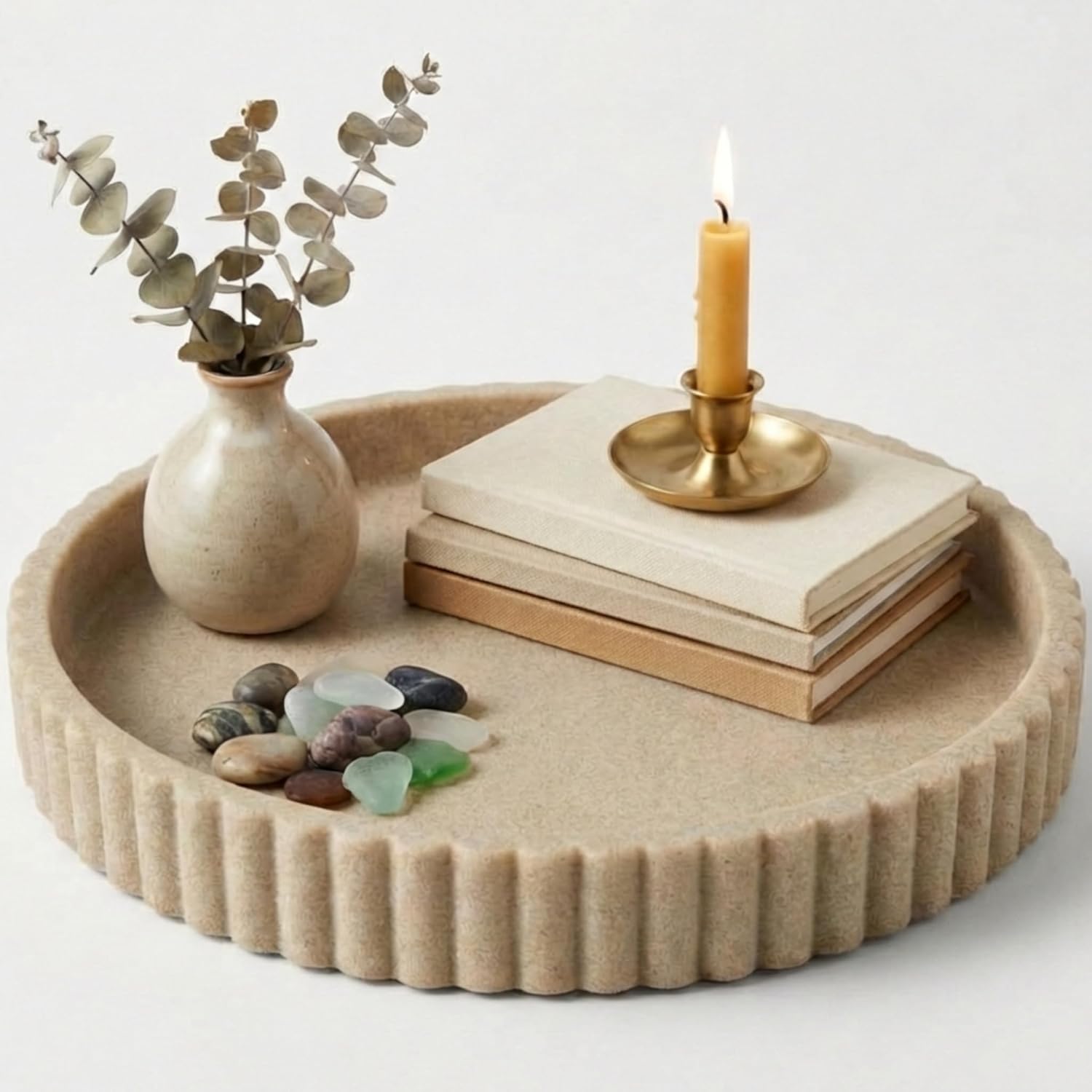
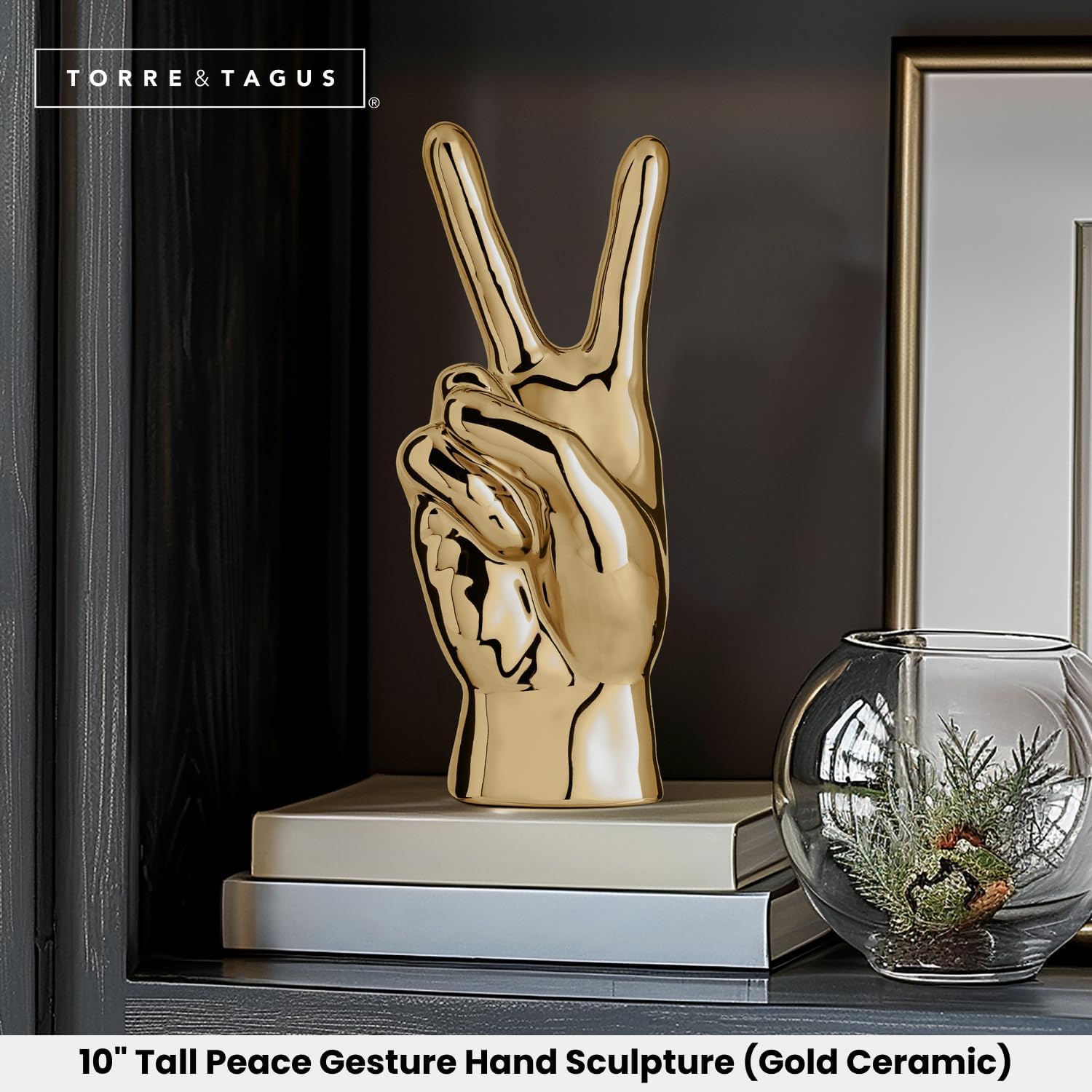

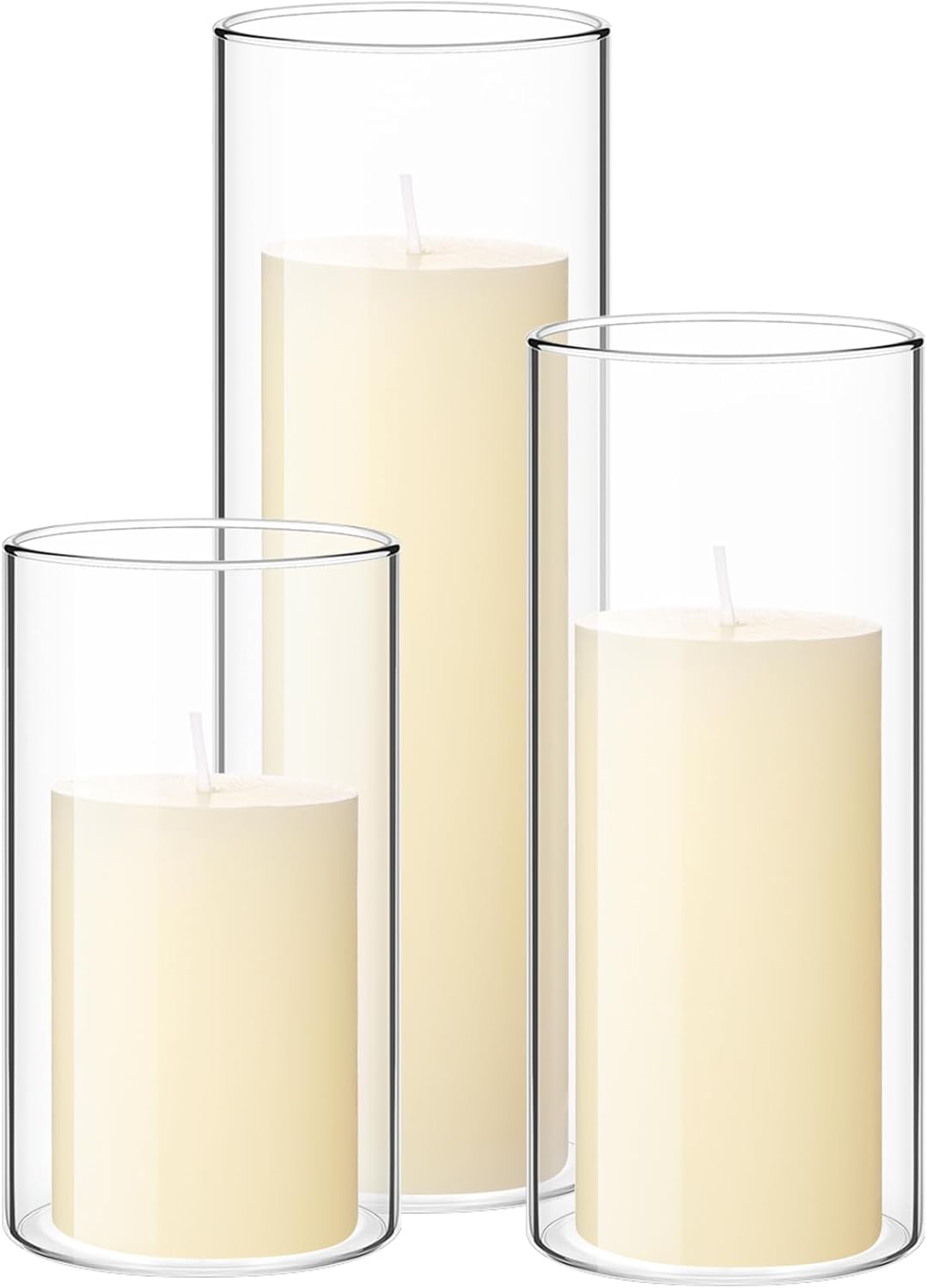
This budget distribution creates a styling that photographs identically to $500+ arrangements. The secret? You’re spending on what guests actually notice and saving on elements that register as “nice” regardless of price.
One beautiful coffee table book
Photography or art
Wooden or marble serving tray
A functional and stylish base layer
Brass or ceramic sculptural object
Add shape, shine, and personality
High-quality faux eucalyptus stems
Soft greenery for height and movement
White pillar candle
A simple, timeless finishing touch
Thrift Store Gold Mine: Vintage wooden boxes, brass candlesticks, ceramic bowls, and interesting books are thrift store staples. Look for items with patina—that worn, aged quality adds character impossible to buy new. A $3 vintage brass bowl carries more visual interest than a $30 shiny new one.
Most Popular Post:
Interior Design Style Quiz
Timeless Paint Colors That Never Go Out of Style
Create Your Perfect Ergonomic Home Office: A Complete Guide
Must-Have Accessories for Guys: The Secret to a Stylish Space
Modular Sofas for Small Spaces: Brilliant Solutions for Compact Living

X. Your Action Plan: Styling Your Coffee Table This Weekend
You’ve absorbed the theory. You understand the mistakes. You know the trends. Now it’s time to actually implement these coffee table styling tips.
A. Your Step-by-Step Implementation:
Phase 1: The Audit (15 minutes)
- Clear everything off your coffee table. I mean everything.
- Look at your table with fresh eyes.
- Measure its dimensions.
- Photograph it empty from multiple angles.
- This creates your blank canvas.
Phase 2: The Inventory (20 minutes)
- Gather potential styling items from around your home.
- Raid bookshelves, bathroom counters, bedroom dressers.
- You need options for all three elements:
- tall (vases, candlesticks),
- medium (books, boxes, trays),
- short (coasters, bowls, small candles).
Phase 3: The First Arrangement (30 minutes)
- Place your three-element formula.
- Start with your tallest piece on one side.
- Add books or a tray slightly off-center.
- Position your functional element in the remaining third.
- Step back. Photograph it.
- Live with it for 24 hours.
CATCH THE LATEST IN HOME DECOR TRENDS:
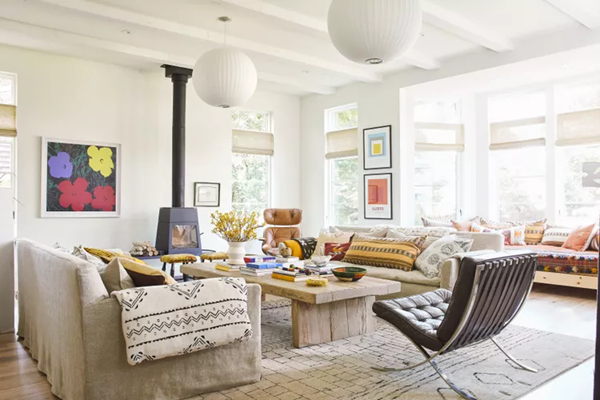
Steal These 16 Expert-Approved Decorating Secrets

How To Accessorize Your Living Room
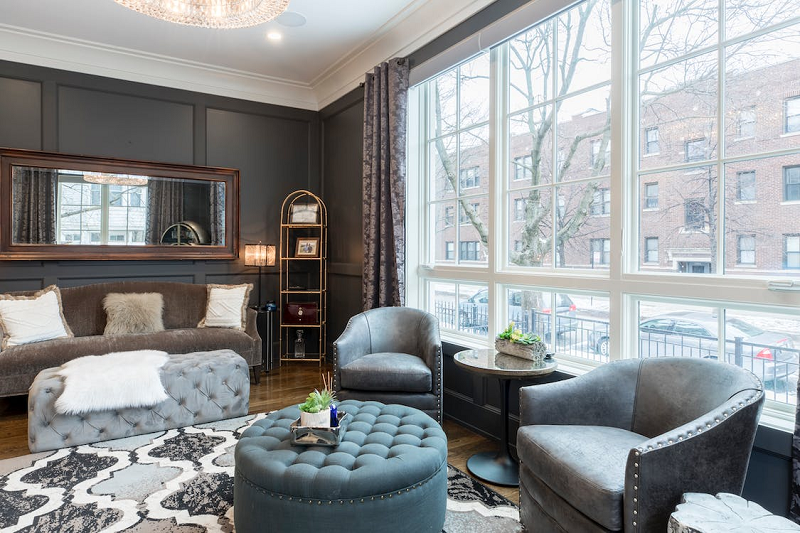
Small Space? 10 Ways To Make A Room Appear Bigger

Make Your space Look Expensive
GET CAUGHT UP ON ALL THE INSPIRING DECOR TIPS:
18 Fresh Decorating Ideas To Update Your Fireplace

How to Make a Gallery Wall: The Complete Step-by-Step Guide (Even If You’ve Never Hung a Picture)


