TL;DR
Side table styling comes down to four things: the right scale, layered heights, a contained surface, and one statement object that anchors the whole arrangement. Use the designer formulas in this guide and your end table goes from cluttered catch-all to intentional vignette — no design degree required.
Side table styling is one of those things that looks effortless on every mood board you’ve ever saved — and somehow completely wrong in your actual apartment. You’ve got the lamp. You’ve got a candle. You might even have a little tray. And still, something is off. The surface looks busy, or worse, completely empty and sad.

You are not alone. This is the number one complaint in decorating subreddits, TikTok comment sections, and every “help me fix this” DM from renters who’ve been rearranging the same four objects for six months. The gap between a Pinterest end table and yours isn’t money or taste. It’s process. Nobody teaches the actual system — they just show you the result.
This guide changes that. Think of it as a personal designer consultation for your side table: what to put on it, how to layer it, what scale rules to follow, and exactly why some arrangements feel polished while others feel like a flea market in a nice lamp’s shadow. We’ll cover every style, solve the five most common real-world problems, and give you the specific formulas designers use so you never have to guess again.

“Still rearranging the same room hoping it’ll click? It won’t — until you know this.”
The Designer’s SECRET Cheat Sheet
119 designer-approved rules for every room in your home. The shortcut every well-styled home is built on.
Stop Guessing. Start Styling. →68%
of people feel their side table looks “unfinished”
3
height levels needed for a designer-balanced arrangement
2/3
max surface fill — the negative space rule every designer uses
5 min
to restyle once you know the formula
What’s Inside This Guide
- Choosing the Right Side Table for Your Space
- The Styling Formula: How to Decorate a Side Table Step by Step
- Designer Strategy: Scale & Placement
- Designer Strategy: Color, Mood & Texture
- The Vibe Check: Match Your Style to Your Side Table
- The Designer’s Cheat Sheet: Rules, Ratios & Formulas
- Real-Life Fixes: The 5 Most Common Side Table Problems Solved
- Visual Anti-Patterns: What NOT to Do
- Shop the Look: Editor’s Product Picks
- Upcoming Trends in Side Table Styling
- Copy & Paste Side Table Styling Checklist
- FAQ
Related Reading: 15 Best Interior Design Rules For Decorating Your Home | The Interior Design Rule of Thirds
Step 01: Choosing the Right Side Table for Your Space

Image credit: Justin Charette
The right side table is the foundation of everything. Get this wrong and no amount of clever styling will rescue you. The table needs to work with your room’s scale, your sofa height, your floor material, and the aesthetic you’re building — before a single object touches the surface.
“Think of your side table as a piece of furniture first, and a surface second. It needs to belong in the room before it earns the right to hold your lamp.”
Designer Strategy: Scale & Placement
A side table that’s too short makes your lamp look like it’s sinking into the floor. Too tall and it looms over the sofa. Too small and it reads as a toy. Here are the actual numbers designers use:
- Height rule: Your side table should sit within 2 inches of your sofa’s arm height. This creates the visual alignment that makes a room look intentional rather than assembled from different apartments.
- Width rule (the 2/3 rule): The table’s surface should be roughly 2/3 the width of the sofa arm beside it. For a floating arrangement, it should never be wider than the chair or sofa it anchors.
- Clearance rule: Leave at least 18 inches between the side table and any adjacent seating. Less than that and the room feels compressed; more than 24 inches and the table looks abandoned.
| Table Type | Best For | Style Match | Price Range |
|---|---|---|---|
| Round wood / marble | Most spaces, renters | Organic Modern, Scandi, Warm Minimal | $60–$350 |
| Metal open-frame | Small rooms, visual lightness | Industrial, Modern, Mid-Century | $50–$280 |
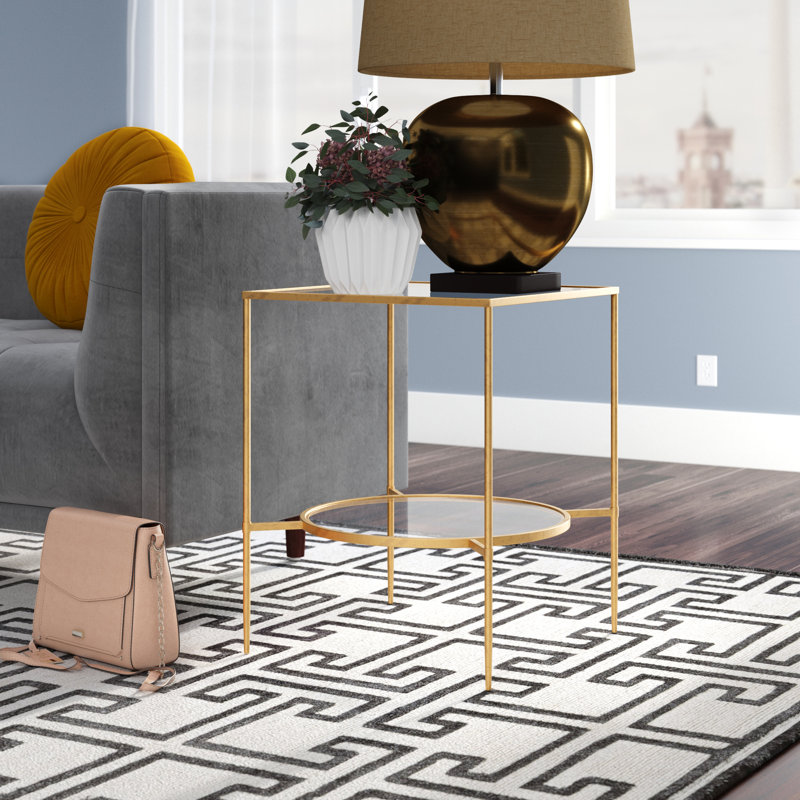
| Glass + metal | Tight spaces (visually disappears) | Glam, Contemporary, Transitional | $80–$400 |
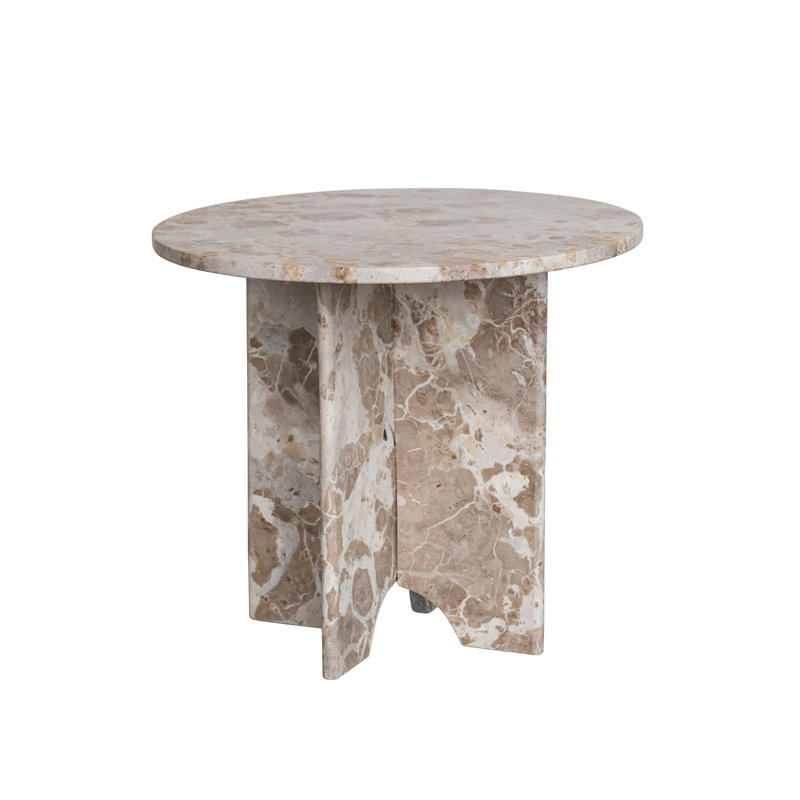
| Marble / sculptural | Statement rooms, anchoring a vignette | Luxury Minimal, Art Deco, Modern Glam | $150–$700 |
| Nesting tables (set of 2) | Renters, flexible layouts, small spaces | Any style — most versatile option | $70–$300 |
Pro Tip
Renters: nesting tables are your secret weapon. Use both for entertaining, tuck one away when the room feels crowded. No drilling, no commitment — full flexibility.


Related Reading: 31 Most Important Interior Design Styles You Should Know About | How to Hire an Interior Designer
Step 02: The Side Table Styling Formula — Step by Step

Image credit: Justin Charette
Great side table styling isn’t about having the right stuff — it’s about layering in the right order. Designers use a 5-step process that creates visual rhythm, height variation, and enough negative space to let everything breathe. Here it is, broken down so you can follow it start to finish.
Anchor with the Lamp
Place your table lamp first — back corner, left or right. Everything else arranges around it. The lamp is the tallest element and creates the visual anchor the eye returns to.
Add Your Medium-Height Object
A small vase, a stack of 2 books, or a sculptural decorative piece. Position diagonally opposite the lamp at the front of the surface. This is your mid-height level.
Contain the Small Stuff in a Tray
Coasters, a candle, a small bowl — any small items go inside a tray. This corrals them into one visual unit rather than scattered clutter. The tray is doing more design work than you think.
Add One “Non-Functional” Object
A small sculpture, a decorative box, a ceramic piece — one object with no practical purpose. This is the element that transforms a functional surface into a styled vignette. Skip it and the table still looks utilitarian.
Edit Ruthlessly
Remove at least one item. The most styled side tables are the ones where someone had the discipline to leave something off. If it feels slightly empty, you’ve probably got it right.
✗ Before: The Common Mistake
- Lamp + random stuff with no order
- 3 different metal finishes competing
- Small items scattered loose on surface
- All objects roughly the same height
- Every inch of surface covered
- No object with any real visual weight
✓ After: The Designer Edit
- Lamp anchors the back corner
- One metal finish echoed throughout
- Small objects corralled in a single tray
- 3 clear height levels create rhythm
- 1/3 of surface intentionally empty
- One decorative object with visual presence
Related Reading: Secrets to Mixing Textures at Home Like an Interior Designer | 15 Professional Decor Styling Tricks
Designer Strategy: Color, Mood & Texture

Image credit: Jen Talbot Design
A side table with no color intention looks like a supply depot. A side table with a deliberate palette looks like a design decision. The difference is usually just one or two small choices — and they’re easier to make than you think.
How Designers Build a Side Table Color Story
- Three-color maximum: Neutrals (white, beige, natural wood) + your table’s material tone + one accent color in either the lamp shade, a vase, or a small decorative object. More than three colors = visual noise, not personality.
- Material echo: Pull one material from your existing room — if you have a brass floor lamp, echo brass in a small tray or candle holder on the table. This is how designers make a room feel cohesive without matching everything.
- Texture contrast as the hero: Smooth ceramic against rough-woven rattan. Polished glass next to matte stone. In small spaces, textural contrast does more visual work than color. A side table arrangement with two textures in it always reads richer than one with five different colors.
Visual Impact Per Object (Designer Rankings)
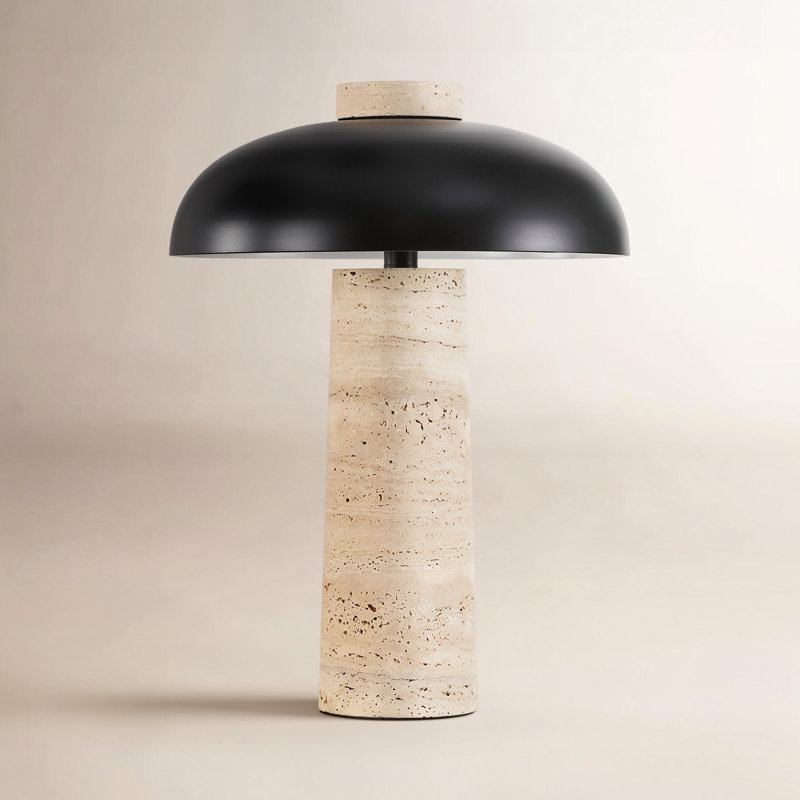
Best Table Lamps for Side Table Styling


Related Reading: How To Make An Interior Design Mood Board | The 15 Golden Rules of Interior Design
The Vibe Check: Match Your Side Table Style to Your Personality

Image credit: Jen Talbot Design
The reason your side table styling doesn’t look like the ones you’ve pinned is almost always a vibe mismatch. A marble table with a brass lamp in a room full of natural linen and raw oak will never look right — no matter how individually beautiful each piece is. Your side table needs to speak the same design language as the room it lives in.
🤍
Warm Minimalist
Clean lines, warm neutrals, nothing extraneous. Every object earns its place. Best for: renters who want their space to feel intentional without high maintenance.
Table: Oak / warm white | Lamp: linen shade | Objects: single ceramic vase, 2 books
🌿
Organic Modern
Natural materials, earthy tones, and imperfect beauty. Growing fastest in apartment and rental décor. Best for: anyone who shops at Trader Joe’s and has plants everywhere.
Table: Rounded wood | Lamp: woven shade | Objects: dried stems, stone bowl
🖤
Modern Noir
Dramatic, editorial, unapologetically bold. Dark table, matte black lamp, one brass or gold accent. Best for: renters who want a space that feels like a boutique hotel.
Table: Matte black metal | Lamp: dark shade + brass base | Objects: sculptural black vase
🍂
Rustic Minimalist
Warmth of natural wood meets the restraint of minimal décor. Lived-in but curated. Best for: renters with older building character to work with rather than fight.
Table: Reclaimed or raw wood | Lamp: Edison-style | Objects: candle in raw holder, small plant
✨
Zen Minimalist
Serene, pared-back, and quietly beautiful. Negative space is the star. Best for: renters who are overwhelmed by clutter and want a breathing room in their apartment.
Table: Clean white or pale stone | Lamp: simple white shade | Objects: one perfect object only
🎨
Bold Minimalist
Few objects, but each one makes a statement. One dramatic sculptural piece does all the talking. Best for: renters who want to look like they hired an interior designer.
Table: Sculptural marble or architectural form | Objects: one bold vase, nothing else
🎨
Not Sure Which Style Is Yours?
Take the free Interior Design Style Quiz and get your personalized aesthetic in under 2 minutes.
Take the Free Quiz →Related Reading: How To Mix Interior Design Styles | Modern Organic Interior Design: The Ultimate 2026 Guide
The Designer’s Cheat Sheet: Rules, Ratios & Formulas

Image credit: Jamie Bush + Co
These are the actual numbers and rules designers use — not vague advice. Specific formulas you can apply to any side table in any room. Screenshot this section. Print it. Use it every time.
Height Rule
Sofa Arm = Table Height
- Table within ±2 inches of sofa arm
- Creates visual alignment across seating
- Lamp base at seated eye level (≈ 46–48″)
Fill Rule
Max 2/3 Filled, 1/3 Empty
- Leave 1/3 of surface intentionally open
- This is the #1 overcrowding mistake
- If it feels empty, you’ve done it right
Height Rule
3 Levels, Always
- Tall: lamp (back)
- Medium: vase or stack of books (front)
- Short: tray with small objects (side)
Finish Rule
Max 2 Metals Per Table
- One dominant, one accent
- Match at least one to the rest of the room
- 3+ finishes = visual chaos
Odd Number Rule
Groups of 3, Not 4
- Odd numbers = more visually interesting
- 3 objects: tall, medium, short
- 5 small objects inside a tray counts as 1
Clearance Rule
18–24″ from Seating
- Under 18″ feels cramped
- Over 24″ and table looks abandoned
- 3–6″ from wall for visual breathing room
The Shortcut Professional Designers Use
The Designer’s SECRET Cheat Sheet
119 design rules. Measurements. Layout formulas. Decorating shortcuts.
Everything a professional designer has memorized — in one beautifully organized guide. Use it for this side table. Use it for every room after that.
Get The Guide Today →Related Reading: The Interior Design Rule of Thirds | 15 Best Interior Design Rules
Real-Life Fixes: The 5 Most Common Side Table Problems — Solved

Image credit: Jamie Bush + Co
If your side table styling still looks off after your best effort, one of these five problems is almost always the culprit. These are the real frustrations from Reddit’s r/interiordecorating, TikTok comment sections, and real renters who’ve been fighting the same four square feet for months.
Pro Tip
The fastest way to integrate a side table into a room is to match its metal finish to one other metal already in the room. Lamp base, curtain rod, picture frame hardware — if it matches one of those, the table belongs.
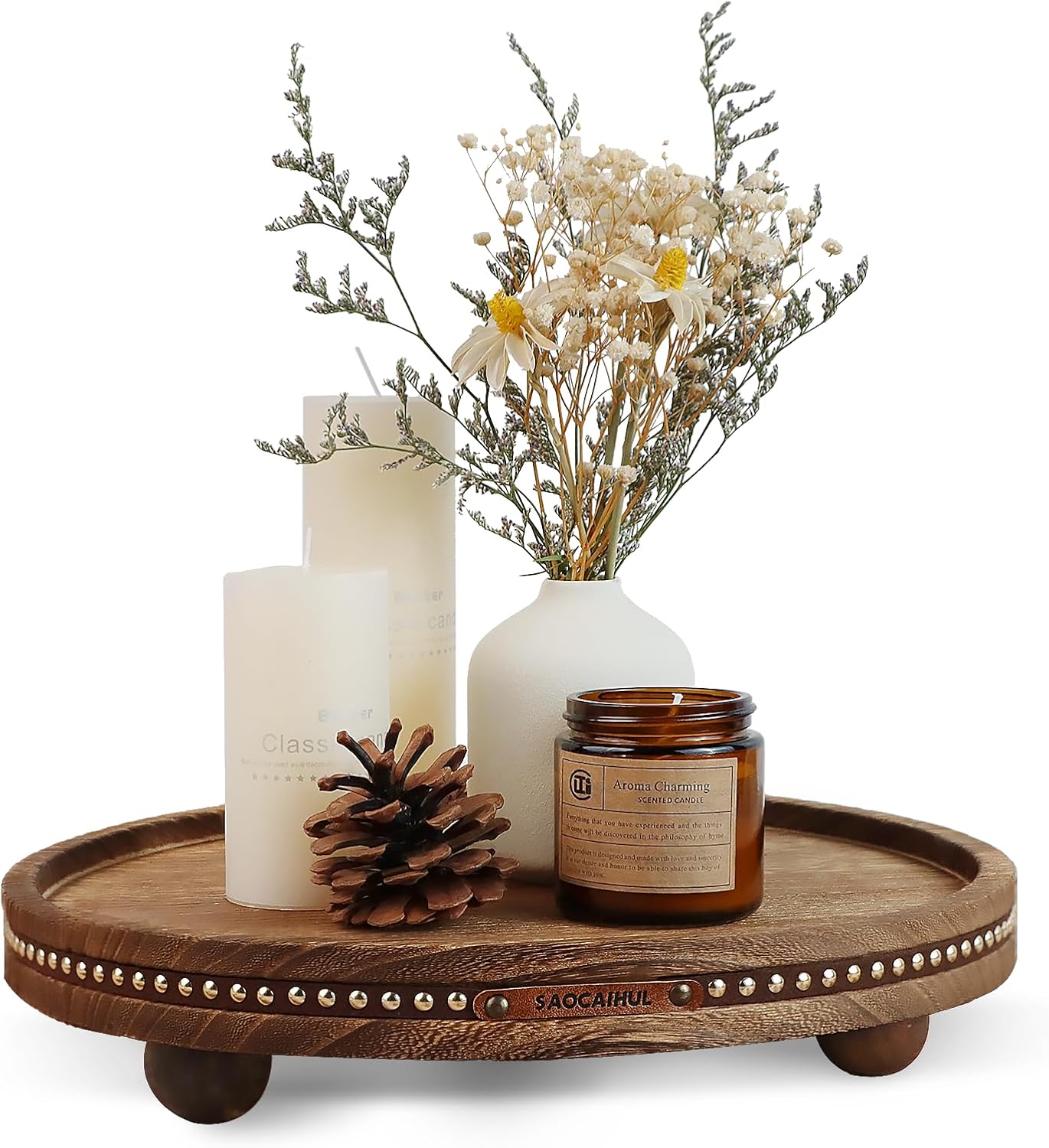
Shop: Trays, Decorative Boxes & Organizational Styling Objects




Related Reading: The Interior Design Rule of Thirds | Interior Design Photography Hacks
Visual Anti-Patterns: What NOT to Do with Side Table Styling
Knowing what to avoid is just as valuable as knowing what to do. These are the patterns that show up constantly in badly styled side tables — across Reddit posts, decorating forums, and real apartments. Avoid all of these and you’re already ahead of 90% of DIY arrangements.
⚠ The 6 Anti-Patterns of Side Table Styling
✗ The Same Height Everywhere
When lamp, vase, and candle are all roughly the same height, the arrangement looks like a display at a liquidation sale. You need at least 3 distinct height levels.
✗ No Negative Space
Covering every inch of the surface means nothing gets noticed. Negative space isn’t empty — it’s the breath that makes everything else readable.
✗ Three or More Metal Finishes
A gold lamp base, a silver tray, a chrome candle holder, and a copper frame — each individually fine, together visually chaotic. Max two metals per surface.
✗ Loose Small Objects
A charger cord, a lip balm, three coins, and two remotes placed individually = clutter. The same items inside a tray = a curated grouping. Containment is everything.
✗ Wrong Lamp Scale
A lamp that’s too small makes the table look like a prop set. Too large and it dominates everything. The shade’s width should roughly match the table’s diameter or width.
✗ No Connection to the Room
A side table that shares zero colors, materials, or finishes with the surrounding room looks like it was dropped there from another apartment. Echo at least one element.
Related Reading: How to Hire an Interior Designer | Interior Design Style Quiz
Shop the Look: Vases, Sculptures & Candle Holders for Side Tables
The decorative objects on your side table do the most visual work per dollar of anything in the room. Here are the specific categories, what each one contributes to the arrangement, and the best picks across every budget.
Vases


Sculptures & Decorative Objects


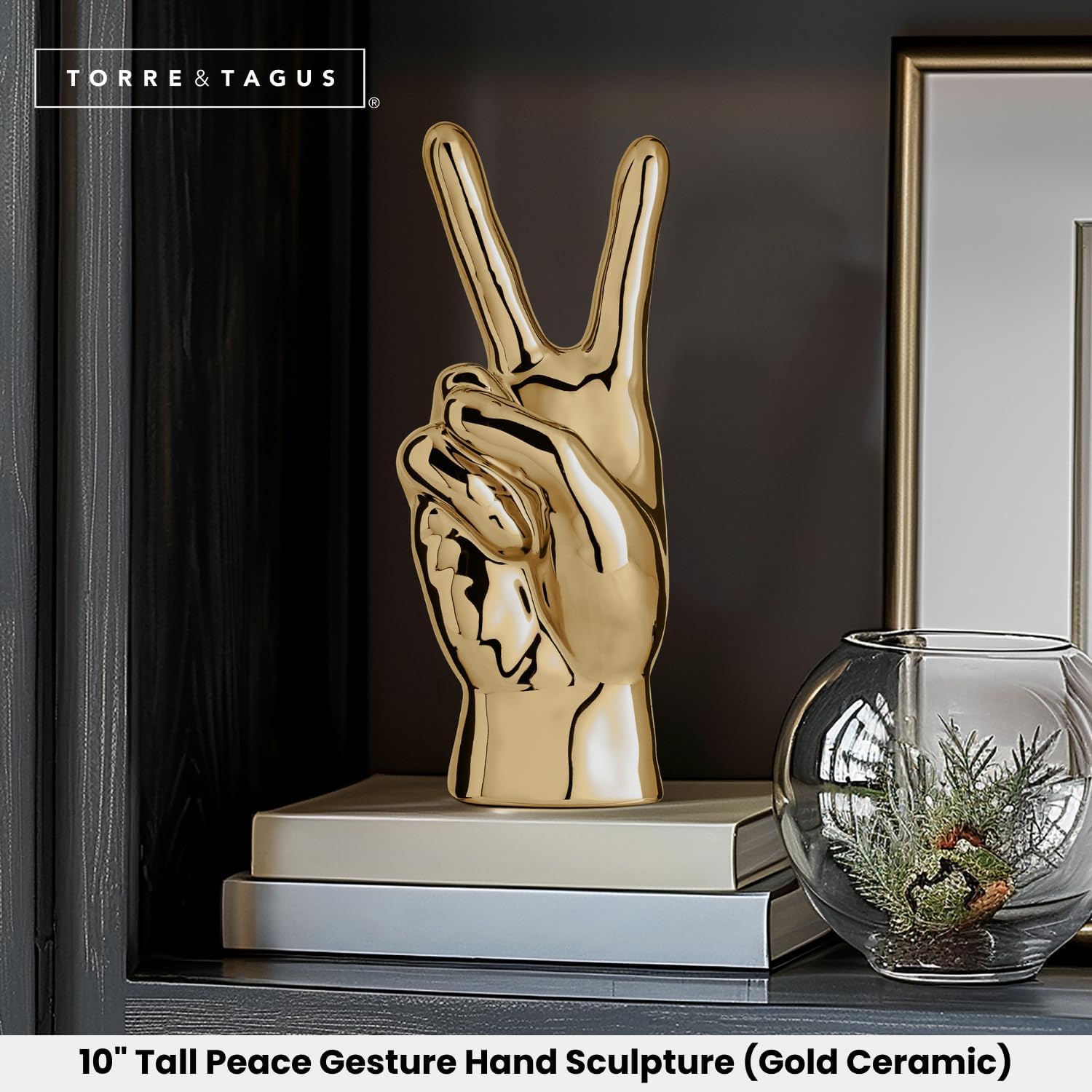
Candle Holders & Books


Related Reading: 15 Professional Styling Tricks | Secrets to Mixing Textures
🌿
Free Patio Style Quiz
Discover your outdoor aesthetic and get personalized patio furniture recommendations in under 2 minutes.
Take the Free Quiz →Upcoming Trends in Side Table Styling (2026 & Beyond)
Side table styling is evolving — away from maximalist Pinterest stacking and toward edited, intentional arrangements. Here’s what’s defining the best-looking interiors right now and where things are heading.
The Sculptural Table as the Object
The table itself is increasingly the decoration. Sculptural marble bases, architectural forms, and artistic table designs mean you need fewer accessories on top — the table does the work. Best for renters who want maximum impact with minimum shopping.
Organic Textures Over Color
Woven rattan trays, raw ceramic vases, unpolished stone objects — texture is replacing color as the main design conversation on side table surfaces. Neutral palettes with rich material variety are outperforming colorful arrangements in both aesthetics and longevity.
The Single-Object Statement
Minimalist styling with one extraordinary object — one jaw-dropping lamp, or one museum-quality sculpture — is replacing the “more is more” approach. The confidence required to leave everything else off is itself becoming the style.
Identity Decor: Objects That Mean Something
A souvenir from a trip, a piece from a local ceramicist, a book you’ve actually read — the side table as autobiography rather than a staged set. Authenticity is becoming the design trend, especially in renter spaces where permanent changes aren’t possible.
Warm Metals Are Replacing Chrome
Brass, bronze, antique gold, and burnished finishes are overtaking the cool silver/chrome dominance of the 2010s. On side tables, this means warmer lamp bases, amber-glass vases, and honey-toned trays — a universally flattering shift that works in almost any rental.
Related Reading: Modern Organic Interior Design: The Ultimate 2026 Guide | How To Make An Interior Design Mood Board
Most Popular Posts
You’re Already Closer Than You Think
Side table styling isn’t a talent — it’s a system. And now you have the system: choose the right table scale, anchor with the lamp, layer in three heights, contain the small stuff, and edit until it feels slightly too sparse. Then add one thing back. That’s the process.
The gap between the Pinterest version and your version isn’t budget or design IQ. It’s almost always one or two small adjustments — a tray that corrals the scatter, a sculptural object that gives the arrangement a focal point, the discipline to leave one third of the surface open. These are not expensive fixes. They’re not even difficult ones.
Pick one section of this guide and act on it today. Start with the 5-step formula if you’re styling from scratch. Start with Real-Life Fixes if you already have a table that isn’t working. One deliberate change beats five half-measures every time.
Ready to Apply These Rules to Every Room?
The Designer’s Secret Cheat Sheet contains 119 designer-approved rules — measurements, layout formulas, styling shortcuts — for every room in your home. It’s the guide professionals use. Now it’s yours.
Get The Designer’s Secret Cheat Sheet →Copy & Paste Side Table Styling Checklist
Use this checklist every time you’re styling or restyling a side table — it covers the entire process in order, so you never miss a step.
✓ Side Table Styling Checklist
Choose a side table within ±2 inches of your sofa arm height — this is the single most important scale decision.
Place the lamp first, in the back corner — it’s your anchor and everything else arranges around it.
Create 3 distinct height levels: tall (lamp), medium (vase or books), and short (tray with small items).
Place every small loose item (coasters, candles, remotes) inside a tray so they read as one curated grouping.
Add one purely decorative object (vase, sculpture, candle holder) — this transforms a functional surface into a styled vignette.
Apply the 2/3 fill rule: leave at least one-third of the table surface intentionally empty — negative space is doing design work.
Echo one color, texture, or metal finish from the rest of the room — this integrates the table so it belongs rather than floats.
Remove one object after finishing. Then decide whether you want to add it back — the discipline to leave things off is the skill.
Pro Tip: The lamp is responsible for 40% of your side table’s visual presence. If the styling isn’t working, change the lamp before changing anything else — it’s almost always the fastest fix.
Frequently Asked Questions About Side Table Styling
What should I put on a side table?
A well-styled side table typically has 4–6 items: a lamp (the anchor), one medium-height object like a vase or stacked books, a tray containing any small items, one purely decorative object, and at least one-third of the surface left intentionally empty. Function and style should coexist — not compete.
How do you style a side table like a designer?
Designers always work in three height levels, contain small objects in a tray, leave intentional negative space, limit metals to two finishes maximum, and add one non-functional decorative object. The difference between a styled table and a functional one is almost always that last item — the object that serves no purpose except to be beautiful.
What is the ideal height for a side table?
A side table should sit within 2 inches (above or below) of your sofa’s arm height. This creates visual alignment that makes the seating area look intentional. For bedside tables, aim to match or slightly exceed mattress top height for comfortable reach without arm strain.
How do I style a side table in a small apartment?
Choose a visually lightweight table — acrylic, open-frame metal, or glass top — which takes up physical space but barely registers visually. Keep the surface minimal: lamp plus one or two objects maximum. A round table has a smaller perceived footprint than a square one at the same dimensions, making it the better choice for tight spaces.
How do I style a side table as a renter without drilling?
Lean framed art prints or a mirror against the wall behind the table instead of mounting them. Use peel-and-stick removable wallpaper on just the small section of wall behind the table for a wallpapered-nook effect. Choose a table with sculptural visual presence so the wall behind becomes irrelevant — the table creates its own focal point.
Why does my side table styling always look cluttered?
Almost always caused by two things: too many objects at similar heights with no containment for the small items. Remove everything. Start with just the lamp. Add back one object at a time and stop the moment it feels almost full. Your clutter threshold is much lower than your instincts suggest — the 2/3 fill rule means stopping well before the surface looks “done.”
What’s the fastest way to make a cheap side table look expensive?
One beautiful lamp (this does 40% of the work), one quality decorative object (a real ceramic vase or sculptural piece), and a tray that corrals the small items. Cohesion and quality in the accessories outperforms an expensive table every time. A $70 table with a $120 lamp and a $40 ceramic vase outperforms a $400 table with random styling.
Should a side table match the rest of the room?
It doesn’t need to match — it needs to connect. Echo one element from the room on the table: a metal finish, a color, a texture. A side table that shares one visual element with its surroundings feels intentional. One that shares nothing reads as an afterthought, regardless of how beautiful it is in isolation.
How many objects should go on a side table?
For a standard side table (18–24 inches diameter or width), 4–6 objects total is the sweet spot — and a tray holding multiple small items counts as one. More than 6 individual objects almost always reads as clutter. The 2/3 fill rule is your guide: no more than two-thirds of the surface should be filled.
Can I style a side table without a lamp?
Absolutely. Without a lamp, your tallest object becomes the anchor — a tall vase with a single stem, a sculptural piece, or even a beautiful architectural candle holder. The 3-height rule still applies; you just need a different tall object to anchor the back. Many of the most editorial side table arrangements have no lamp at all.
Disclosure: This post contains affiliate links. We may earn a small commission at no extra cost to you if you purchase through our links. We only recommend products that genuinely solve the decorating problem being discussed.
CATCH THE LATEST IN HOME DECOR TRENDS:
Steal These 16 Expert-Approved Decorating Secrets

How To Accessorize Your Living Room
Small Space? 10 Ways To Make A Room Appear Bigger

Make Your space Look Expensive
GET CAUGHT UP ON ALL THE INSPIRING DECOR TIPS:
18 Fresh Decorating Ideas To Update Your Fireplace

How to Make a Gallery Wall: The Complete Step-by-Step Guide (Even If You’ve Never Hung a Picture)
